Acupuncture for Perimenopause and Menopause in Washington, DC
Perimenopause and menopause mark one of the most significant hormonal transitions of a woman’s life, and for many women, the symptoms are far more disruptive than they were led to expect. Hot flashes, disrupted sleep, mood swings, brain fog, weight changes, and declining libido are not just inconveniences. They affect your work, your relationships, and your sense of self. At Aetherium Acupuncture & Integrative Medicine in Washington, DC, Dr. Natalie Grigorian offers evidence-based acupuncture and integrative care to help you navigate this transition with greater ease, comfort, and confidence.
Understanding Perimenopause and Menopause
Perimenopause is the transitional phase leading up to menopause, typically beginning in a woman’s mid-to-late 40s, though it can start earlier. During this time, estrogen and progesterone levels fluctuate unpredictably, causing a wide range of physical and emotional symptoms. Menopause is defined as 12 consecutive months without a menstrual period, after which a woman is considered postmenopausal.
Common symptoms of perimenopause and menopause include:
Hot flashes and night sweats (vasomotor symptoms)
Disrupted sleep and insomnia
Mood changes, irritability, and anxiety
Brain fog and difficulty concentrating
Fatigue and low energy
Weight gain, particularly around the abdomen
Vaginal dryness and discomfort
Decreased libido
Irregular or changing menstrual cycles (perimenopause)
Joint pain and muscle aches
Heart palpitations
Every woman’s experience of this transition is unique. Some move through it with minimal disruption; others find it profoundly challenging. Dr. Grigorian meets each patient where she is and designs care around her specific symptom picture.
How Acupuncture Helps with Perimenopause and Menopause
Traditional Chinese Medicine has a sophisticated understanding of the menopausal transition that predates modern endocrinology by thousands of years. In TCM, the symptoms of menopause reflect a natural shift in the body’s fundamental energies, and acupuncture offers precise tools for supporting that shift. Here is how it helps:

Reducing Hot Flashes and Night Sweats
Hot flashes are among the most well-studied applications of acupuncture in women’s health. Multiple clinical trials have demonstrated that acupuncture can significantly reduce both the frequency and severity of vasomotor symptoms, with effects that compare favorably to low-dose hormone therapy for many women.

Improving Sleep
Disrupted sleep is one of the most debilitating symptoms of the menopausal transition. Acupuncture supports deep, restorative sleep by calming the nervous system, reducing nighttime hot flashes, and regulating the neurotransmitters involved in sleep-wake cycles. Many patients report meaningful improvement in sleep quality within the first few weeks of treatment.
Stabilizing Mood and Reducing Anxiety
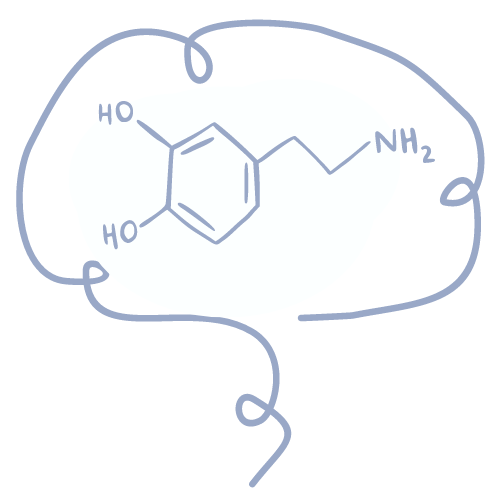
The hormonal fluctuations of perimenopause have a direct impact on serotonin and GABA, the brain chemicals most closely associated with mood stability and anxiety. Acupuncture helps regulate these pathways, providing a natural, non-pharmaceutical option for women experiencing heightened anxiety, irritability, or low mood during the transition.
Supporting Cognitive Clarity
Brain fog, including difficulty concentrating, memory lapses, and mental fatigue, is a frustrating and often underacknowledged symptom of perimenopause. Acupuncture and Chinese herbal medicine support cerebral circulation and neurological function, helping to restore mental clarity and focus.
Managing Weight and Metabolism
Hormonal changes during menopause shift fat distribution toward the abdomen and slow metabolic rate. Acupuncture and herbal medicine can support metabolic function, reduce inflammation, and address the underlying hormonal imbalances that contribute to menopausal weight changes.
Supporting Bone and Cardiovascular Health
Declining estrogen increases the risk of osteoporosis and cardiovascular disease after menopause. While acupuncture is not a replacement for medical management of these conditions, it supports overall systemic health and can be part of a comprehensive strategy for long-term well-being in the postmenopausal years.
Acupuncture as an Alternative or Complement to HRT
Hormone Replacement Therapy (HRT) is an effective option for many women, and Dr. Grigorian is not opposed to it. She works collaboratively with your physician and supports whatever approach you and your doctor decide is right for you. However, many women either cannot take HRT due to personal or medical history, or prefer to explore natural alternatives first.
For women who prefer a non-hormonal approach to managing menopause symptoms, acupuncture and Chinese herbal medicine offer a meaningful, evidence-supported alternative, particularly for vasomotor symptoms, sleep disruption, and mood changes.
Acupuncture is also an excellent complement to low-dose HRT, supporting the areas where hormonal therapy alone may fall short, such as sleep quality, mood, cognitive clarity, and overall vitality.
What to Expect: A Slow and Gradual Process
Chinese medicine can help women minimize their experience of the menopausal transition. It is important, however, that patients understand that this is a slow and gradual process. Unlike HRT, which can produce rapid symptomatic relief, Chinese medicine works by nourishing and restoring the body’s fundamental reserves. The deeper the underlying deficiency, the longer and more sustained the treatment needs to be.
Dr. Grigorian is always honest about this with her patients. If your symptoms are severe or have been present for many years, treatment will take time. The reward is that the changes that come through Chinese medicine tend to be deeper and more lasting, and the treatment itself has far fewer risks and side effects than long-term hormone therapy.
Why Herbal Medicine Plays a Central Role
For the menopausal transition specifically, herbal medicine is often more effective than acupuncture alone. This is because the root of most menopausal symptoms in Chinese medicine is a deficiency of Kidney Essence, or jing, and herbs are better at nourishing and replenishing essence than needles are. At Aetherium, Dr. Grigorian combines both modalities, but the herbal formula is frequently the cornerstone of menopausal treatment. If you have never taken Chinese herbal medicine before, she will walk you through exactly what to expect and how your formula will be tailored to your specific pattern.
What to Expect at Aetherium
At your initial consultation, Dr. Grigorian will take a comprehensive health history that includes your full symptom picture, menstrual and hormonal history, sleep patterns, stress levels, and any current medications or treatments. She will then design an individualized treatment plan that may include:
Acupuncture sessions tailored to your specific symptom pattern
Custom Chinese herbal formulas to support hormonal transition
Nutritional guidance for menopause, including foods that support estrogen balance and bone health
Lifestyle recommendations for sleep hygiene, stress management, and exercise
Coordination with your gynecologist or internist as needed
Starting Early: Preparing for Menopause in Your 30s and 40s
One of the most important and underutilised aspects of Chinese medicine for women’s health is prevention. Dr. Grigorian has long counselled women in their 30s and early 40s who are nowhere near menopause yet, because the quality of the menopausal transition depends heavily on the condition of the Kidneys throughout a woman’s lifetime. How you live in your 30s and 40s directly shapes how you experience your 50s.
If Dr. Grigorian sees a younger patient and identifies lifestyle patterns that may lead to a more difficult menopausal transition, she will say so directly and offer guidance now, when it can make the most difference. This is a dimension of care that very few practitioners offer, and it reflects a fundamentally different relationship with women’s health across the lifespan.
Lifestyle Factors That Shape Your Menopausal Experience
The following habits, sustained over time, are among the most important factors in how smoothly a woman moves through the menopausal transition:
Avoiding smoking, which significantly depletes Kidney yin and accelerates hormonal decline
Moderating alcohol, coffee, and tea, which generate heat and deplete yin over time
Avoiding chronic overwork and prioritising genuine rest, as overwork directly damages Kidney qi
Reducing excessive consumption of greasy, dairy-heavy, or highly processed foods
Eating plenty of vegetables, whole grains, and foods that nourish yin and blood
Addressing and processing emotional stress rather than suppressing it, as long-held emotions impair Liver qi and create the blood stasis that worsens hormonal symptoms
It is never too early to think about menopause, and it is never too late to start. Whether you are in your 30s building a foundation, in your 40s beginning to notice early changes, or in the thick of the transition itself, Dr. Grigorian meets you exactly where you are.
Frequently Asked Questions
How quickly does acupuncture work for hot flashes?
Many patients notice a reduction in hot flash frequency and intensity within 4 to 6 sessions, though consistent treatment over 2 to 3 months produces the most lasting results. Hot flashes are one of the most responsive menopausal symptoms to acupuncture treatment.
How many acupuncture sessions will I need for menopause symptoms?
Because the menopausal transition unfolds over months and years rather than weeks, acupuncture works best as a sustained, consistent practice rather than a short course of treatment. Most patients begin with weekly sessions for the first 6 to 8 weeks, then transition to bi-weekly or monthly maintenance as symptoms stabilize. Dr. Grigorian will recommend a schedule tailored to your symptom severity and goals.
Can acupuncture help with menopausal anxiety and depression?
Yes. Mood disruption is one of the most common and most undertreated symptoms of the menopausal transition. Acupuncture has a well-established effect on the nervous system and neurotransmitter regulation, and many of our patients experience significant improvements in anxiety, mood stability, and emotional resilience with consistent treatment. We always coordinate with your mental health provider if you are also receiving psychological support.
Is it too late to start acupuncture if I am already postmenopausal?
Absolutely not. Women at any stage, whether perimenopausal, menopausal, or postmenopausal, can benefit from acupuncture and integrative care. Postmenopausal women often seek support for ongoing symptoms such as sleep disruption, joint pain, cognitive changes, and cardiovascular health. It is never too late to invest in your well-being.
Can acupuncture help with early or surgical menopause?
Yes. Women who experience early menopause (before age 45) or surgical menopause following hysterectomy or oophorectomy often have more sudden and severe symptom onset than those who transition naturally. Acupuncture can be particularly valuable in these cases for managing the abruptness of the hormonal shift and supporting long-term health.
You Don't Have to Just Push Through It
The menopausal transition is natural, but struggling through it alone is not your only option. Dr. Grigorian has supported hundreds of women through perimenopause and menopause, and she brings both clinical expertise and genuine understanding to this stage of life. You deserve care that takes your symptoms seriously and supports your whole health.
What About Phytoestrogens?
Many women approaching menopause ask about phytoestrogens, especially soy-based products, as a natural alternative to HRT. Dr. Grigorian welcomes this conversation and brings a nuanced perspective informed by both Chinese medicine and the research literature.
The term phytoestrogen is actually something of a misnomer. Phytoestrogens are not oestrogens. They are plant-derived compounds with a chemical structure that resembles oestrogen but behaves differently in the body. The most studied group is isoflavones, found primarily in soy products. Rather than simply acting like oestrogen, phytoestrogens bind to oestrogen receptors and may actually have a modulating effect: mildly oestrogenic in tissues where oestrogen is low, and mildly anti-oestrogenic where oestrogen is high. This is why the research on phytoestrogens has produced contradictory results and why blanket recommendations about soy are often oversimplified.
From a Chinese medicine perspective, the question is not simply whether phytoestrogens raise or lower oestrogen levels, but whether the specific foods and herbs that contain them are appropriate for your individual constitution and pattern. Dr. Grigorian will discuss this with you in the context of your full treatment plan, including which foods and herbal formulas are most likely to support your particular presentation of menopausal symptoms.